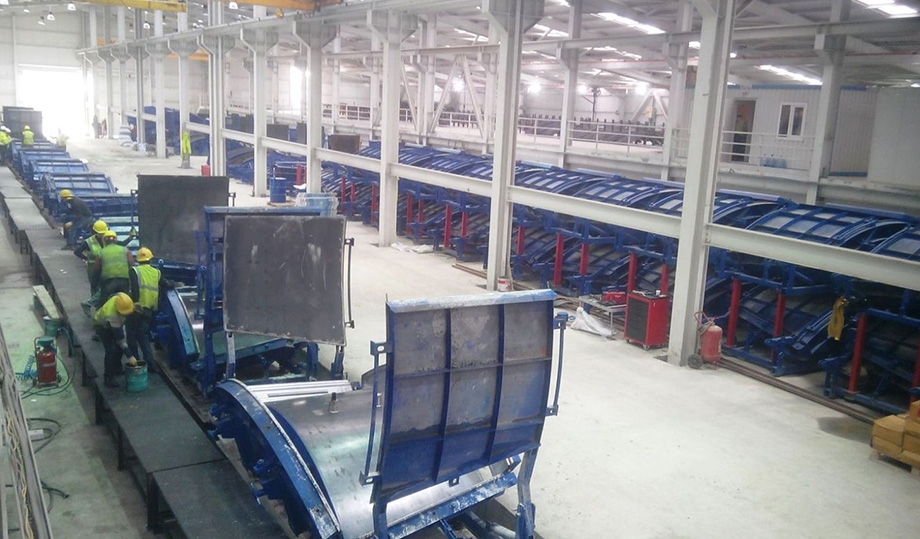
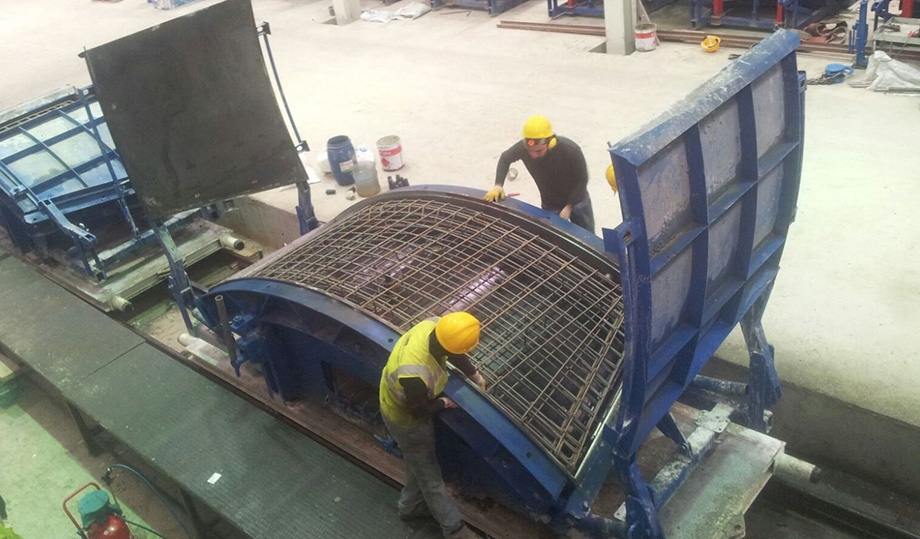
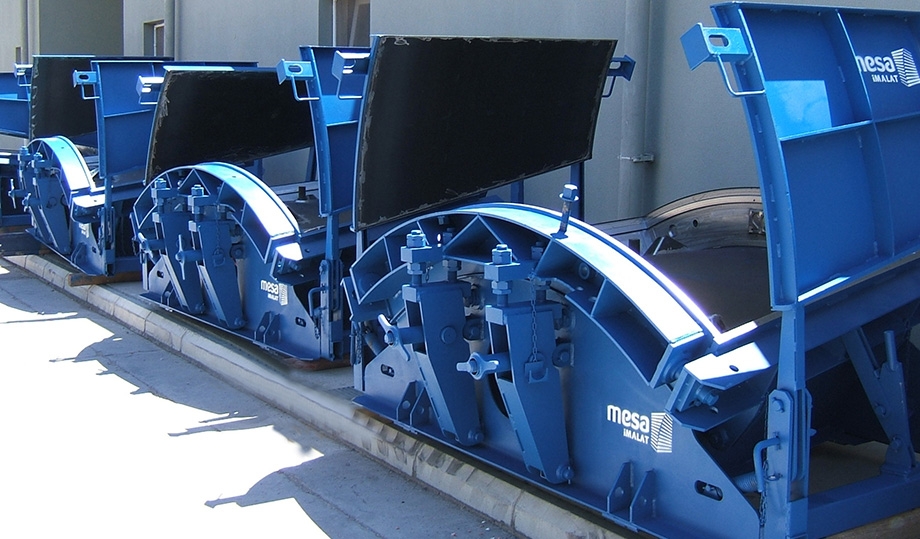
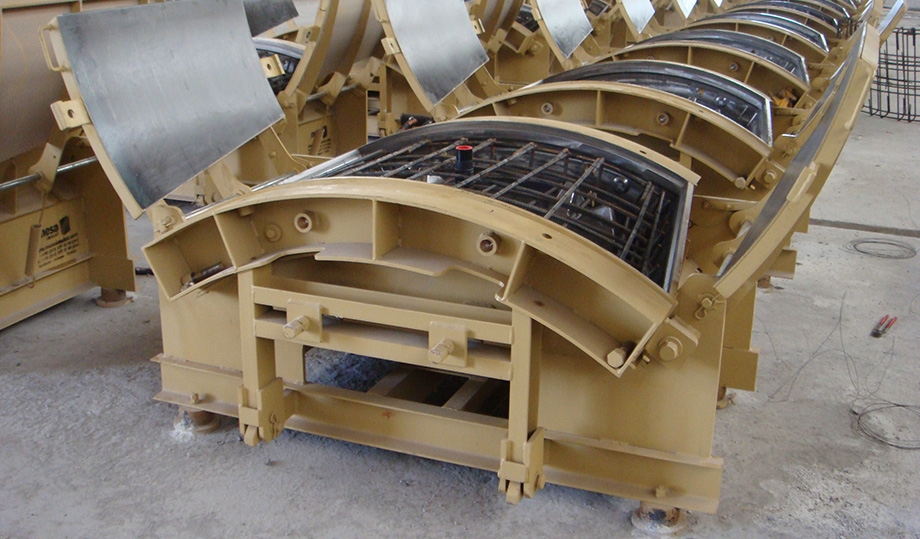
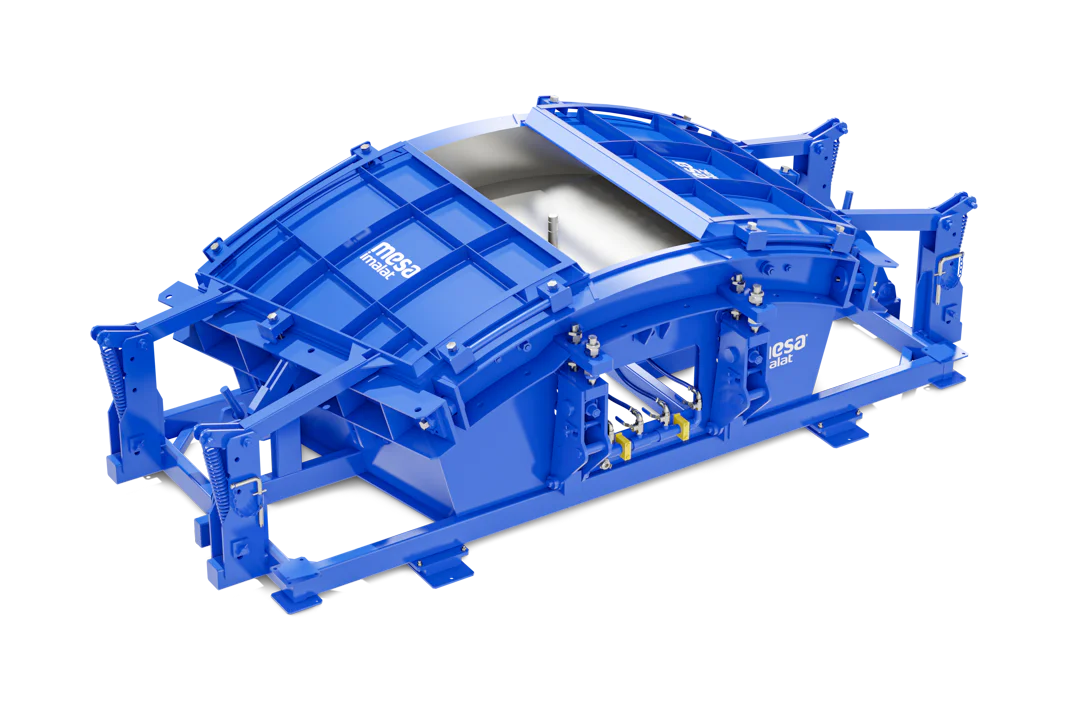
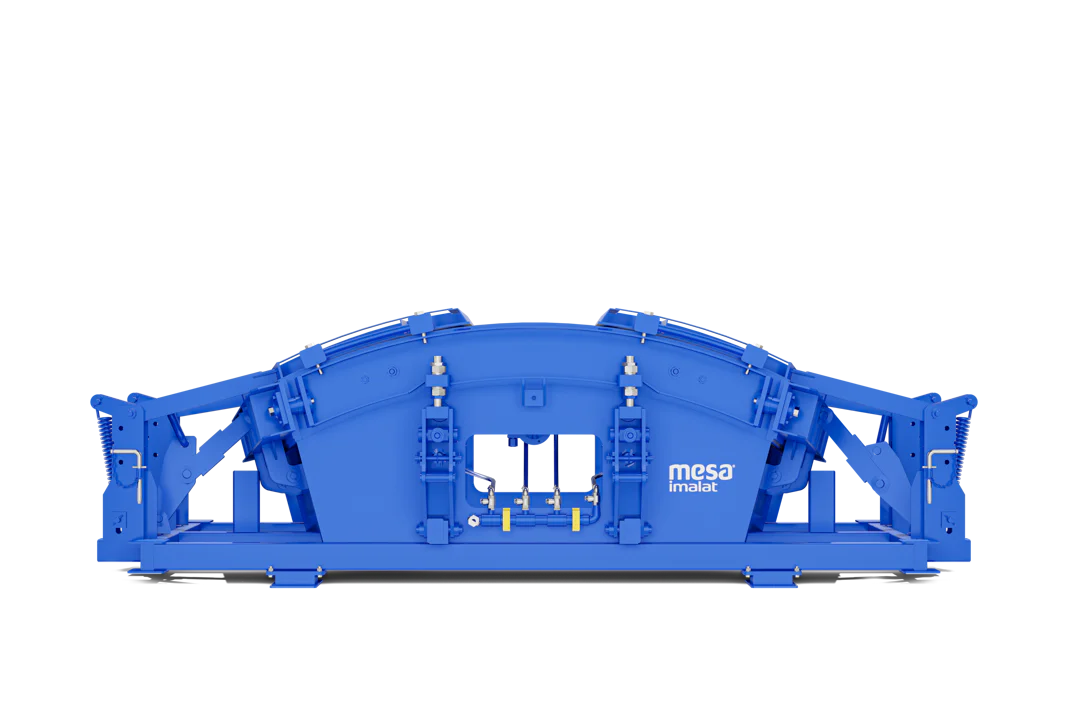
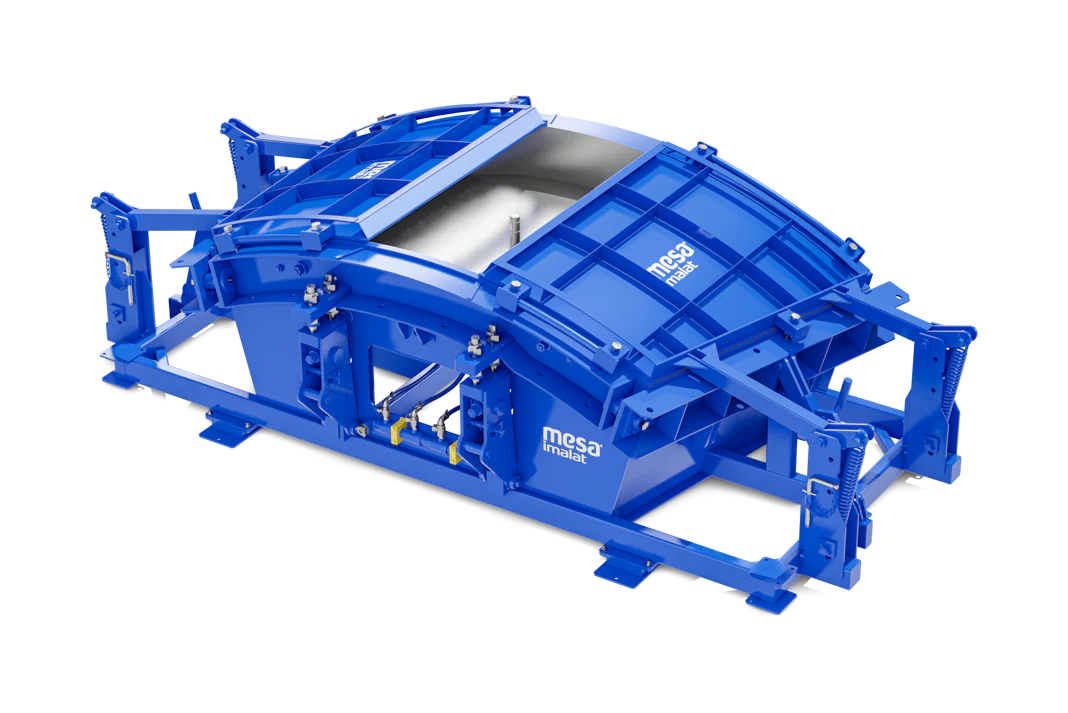
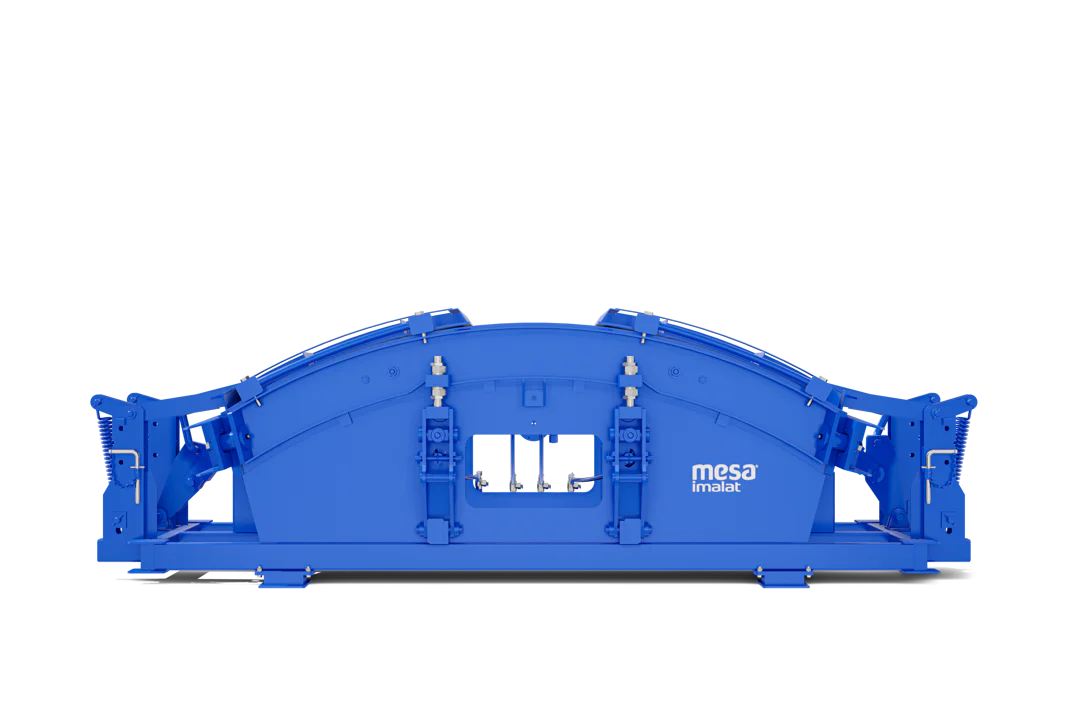
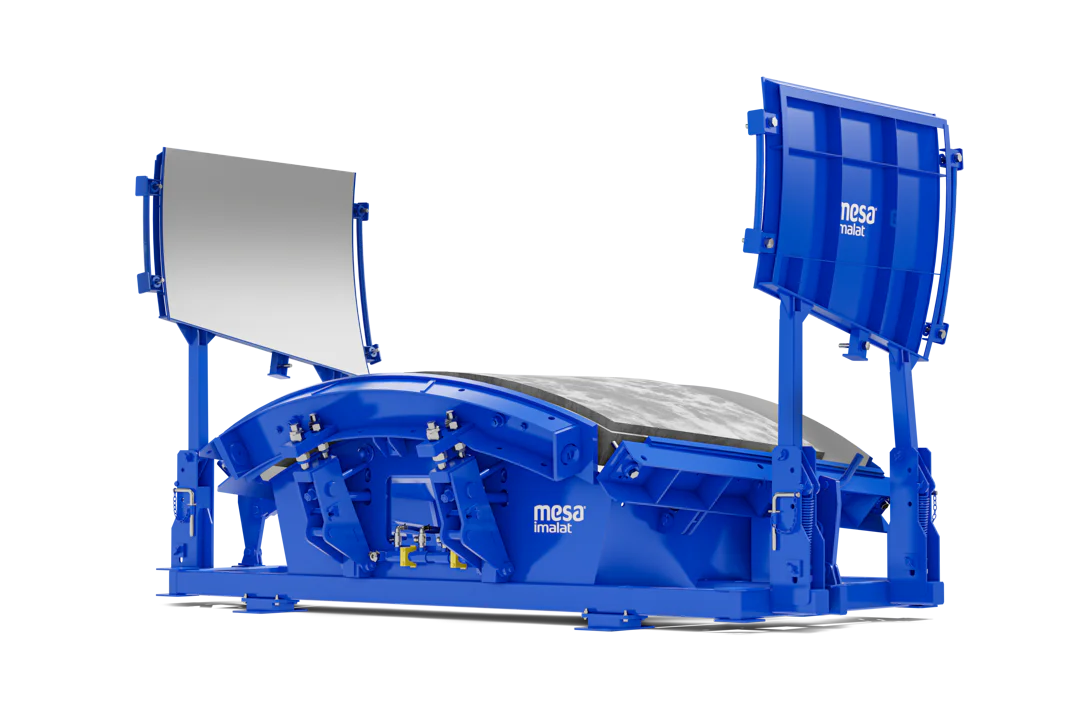
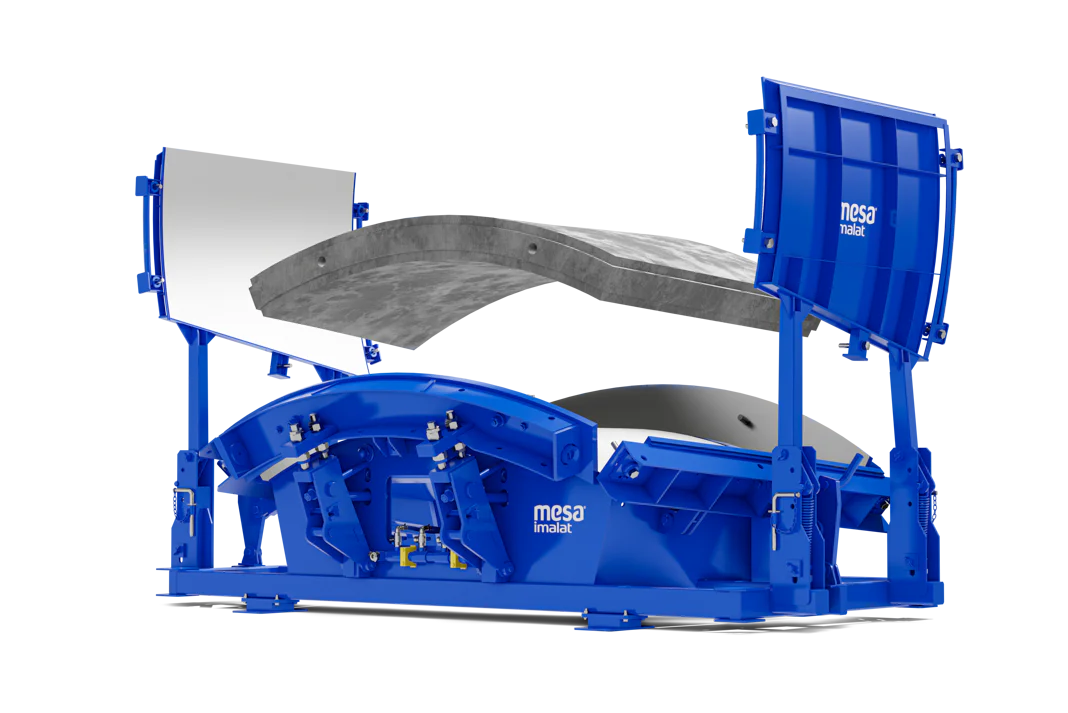
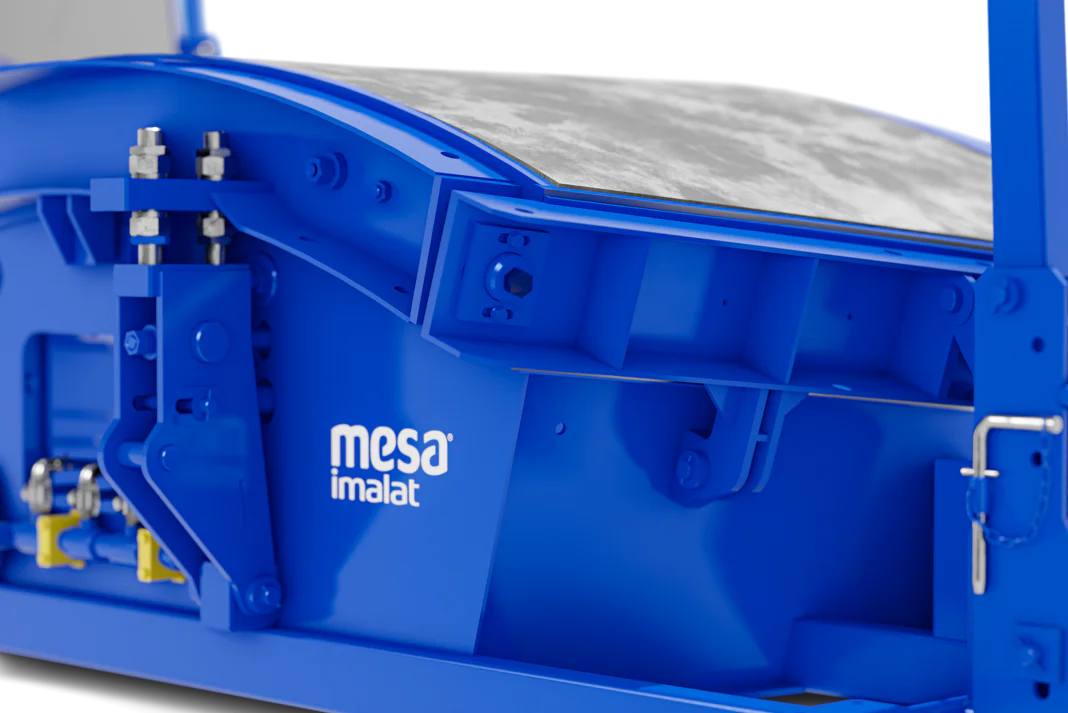
Mesa Imalat has demonstrated its expertise in formwork and engineering by expanding into the production of segment formworks in recent years. In Turkey, Tunnel Boring Machines (TBM) – which represent the latest in tunneling technology – are extensively used, particularly in underground tunnel projects such as metro lines, hydroelectric power plants (HEPP), wastewater systems, clean water networks, and irrigation basins.
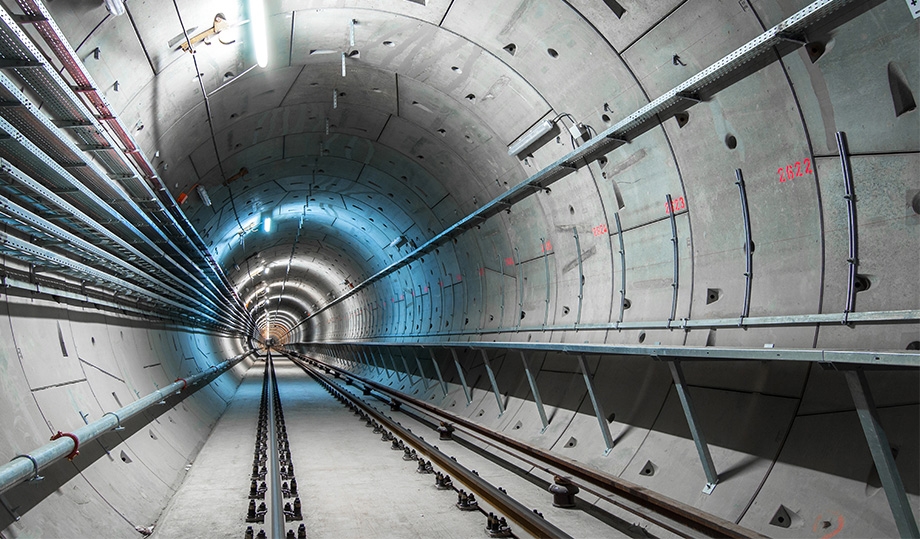
TBMs, used in underground excavations, ensure maximum safety within the tunnel, allow for precise navigation to the target location, and significantly reduce project durations and overall costs. While excavating the tunnel, the TBM simultaneously installs precast concrete segments, which form concrete rings serving as the tunnel lining.
The circular structure formed by assembling these precast concrete segments is called a ring. In tunnel projects, rings are used in various diameters and thicknesses, and these variations affect both the number and geometry of the segments.
The precast concrete segments, placed in the tunnel opened by the TBM, have several roles in the tunnel:
-Creating the inner wall of the tunnel
-Ensuring that the tunnel is sufficiently resistant to external influences (pressure, water etc.)
-Ensuring that TBM moves in different directions within the tunnel
Each segment is encoded for the correct sequence. The sequence is important in terms of making up-and-down, right-left movements of the tunnel.
All precast concrete segment moulds forming a ring are expressed as “1 set” and they are produced after a special engineering design in accordance with the specifics of each particular project. Precision of the precast concrete segments carries importance in terms of speeding up the production by ensuring that TBM moves faster in the tunneling process; thus reducing the cost of the Contractor. The overall success of a tunnel project is the productivity of the TBM and the quality of the segment moulds. The better the quality of the mould, the better the quality of the tunnel.